In the data center industry, uptime is the non-negotiable metric. Downtime, measured in minutes, can translate into millions of dollars in lost revenue, compliance penalties, and permanent reputational damage. While traditional power continuity relies heavily on Diesel Rotary Uninterruptible Power Supply (DRUPS) or valve-regulated lead-acid (VRLA) batteries, modern commercial energy storage systems (CESS) using Lithium Iron Phosphate (LFP) technology are emerging as a superior, more sustainable solution.
For developers and facility managers, integrating advanced commercial energy storage batteries provides a crucial layer of power protection, allowing data centers to achieve stringent Service Level Agreements (SLAs) while simultaneously optimizing energy efficiency and lowering operational expenses.
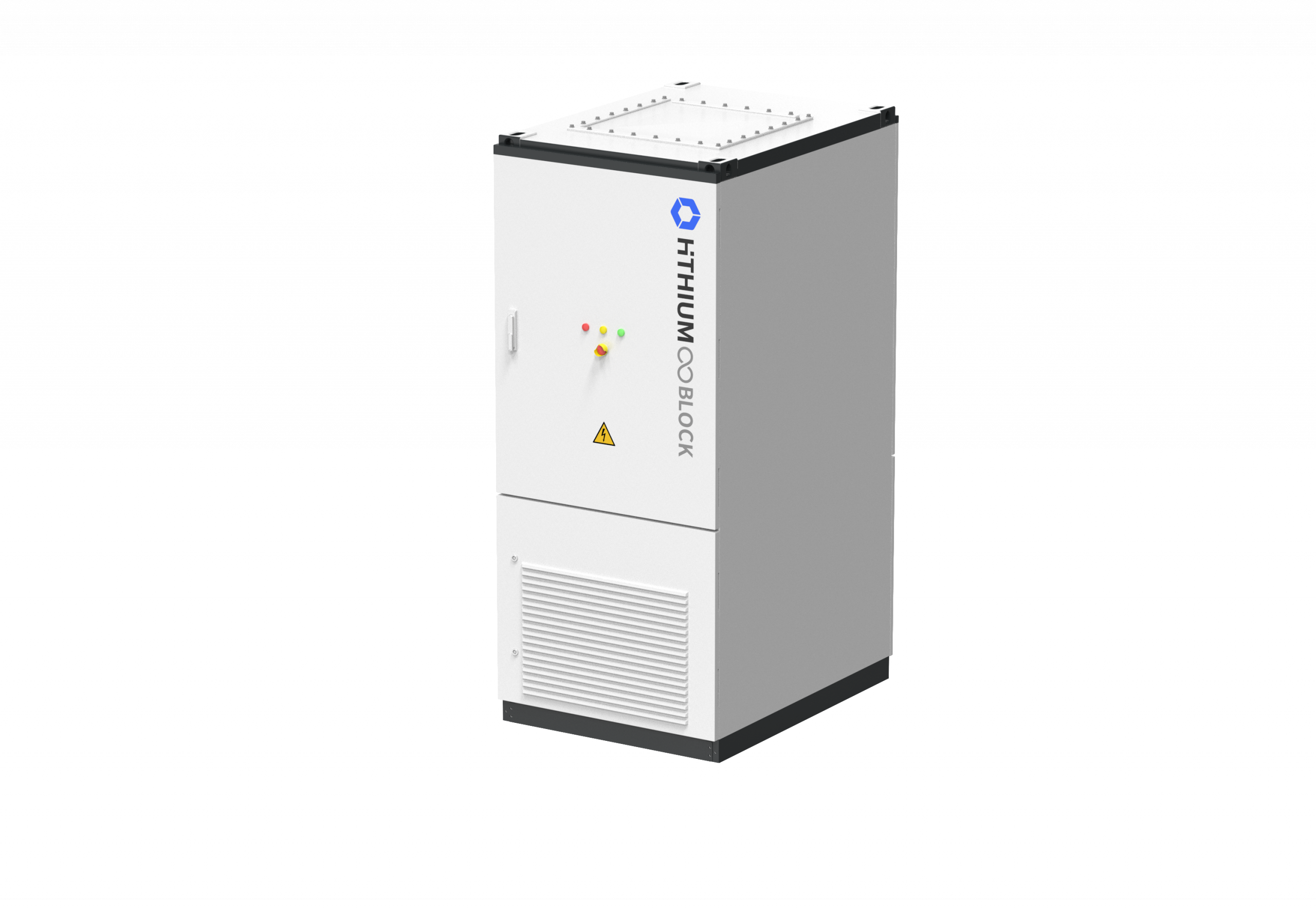
Product Spotlight: The HiTHIUM Infinity Block 261kWh BESS
The HiTHIUM Infinity Block 261kWh BESS is a highly integrated, liquid-cooled cabinet specifically engineered to meet the high-reliability and safety demands of C&I customers like data centers. This all-in-one system includes the Power Conversion System (PCS), Battery Management System (BMS), liquid thermal management, and fire suppression within a compact, IP55-rated outdoor enclosure.
Utilizing high-cycle lifetime LFP cells (such as the 314Ah). The advanced liquid-cooling ensures stable cell performance, which is vital for maximizing the lifespan of the commercial energy storage batteries and guaranteeing the consistent power delivery needed for seamless grid-to-backup power transition. Its highly integrated design streamlines installation, reduces footprint, and is scalable for larger facilities by connecting multiple units in parallel.
Enhanced Power Continuity and UPS Replacement
The most immediate and critical role of commercial energy storage batteries in a data center is providing reliable, near-instantaneous backup power, often replacing or complementing traditional VRLA UPS systems.
Bridging Power Gap: When a primary grid fault occurs, the HiTHIUM system must provide immediate power to the servers and cooling equipment. LFP batteries offer superior power density and faster response times than VRLA batteries. They provide the “bridge power” for the critical few minutes required for the facility’s large diesel generators to start, synchronize, and ramp up to full load.
Reduced Maintenance and Footprint: LFP commercial energy storage systems require significantly less maintenance and have a much longer calendar and cycle life (often exceeding ten years) compared to VRLA. They also occupy a smaller physical footprint for the same amount of energy stored, freeing up valuable white space within the data center for IT equipment.
Operational Efficiency and Cost Management
Beyond resilience, C&I storage systems help data centers manage the immense, continuous electrical load, transforming the facility from a pure energy consumer into an energy manager.
Peak Demand Shaving: Data centers often face substantial peak demand charges based on their single highest power draw. The CESS system’s intelligent EMS monitors the facility load in real-time. When a critical power spike occurs (e.g., during generator testing or simultaneous cooling startups), the BESS instantly discharges its stored energy, reducing the load pulled from the utility grid and thereby shaving the most expensive part of the electricity bill.
Grid Services and Optimization: In regions with supportive regulations, the HiTHIUM system can participate in grid ancillary services, such as frequency regulation, during low-risk periods. The data center can earn revenue by providing these services back to the grid, transforming a cost center (battery backup) into a revenue-generating asset.
Sustainability and Modular Deployment
As pressure mounts from corporate stakeholders and regulatory bodies to decarbonize, LFP commercial energy storage systems offer a cleaner alternative to fossil fuel-heavy backup solutions.
Reduced Diesel Generator Reliance: While generators remain a critical part of the long-duration backup plan, a reliable LFP BESS reduces the need to run generators for non-emergency applications like peak shaving or short-term maintenance tests. This lowers the facility’s overall carbon footprint and noise pollution.
Modular and Scalable Design: The modularity of systems like the InfinityBlock 261kWh allows data center operators to deploy capacity incrementally. Facilities can start with a base resilience capacity and easily expand their storage as the server load grows or as new financial opportunities (like grid participation) arise, optimizing capital expenditure.
Advanced Safety Integration: Given the high value of data center assets, safety is paramount. LFP chemistry is inherently safer due to its thermal stability. HiTHIUM enhances this with multi-level safety features, including liquid cooling and active fire suppression built into the container, ensuring superior safety assurance that meets the stringent requirements of data center operators and insurers.
To conclude
For data center developers, the shift to high-reliability commercial energy storage systems is a strategic move. By providing instantaneous power continuity, reducing demand charges, and offering a sustainable, modular platform like the HiTHIUM Infinity Block 261kWh, these systems guarantee the 24/7 uninterrupted operations that define success in the digital economy.
