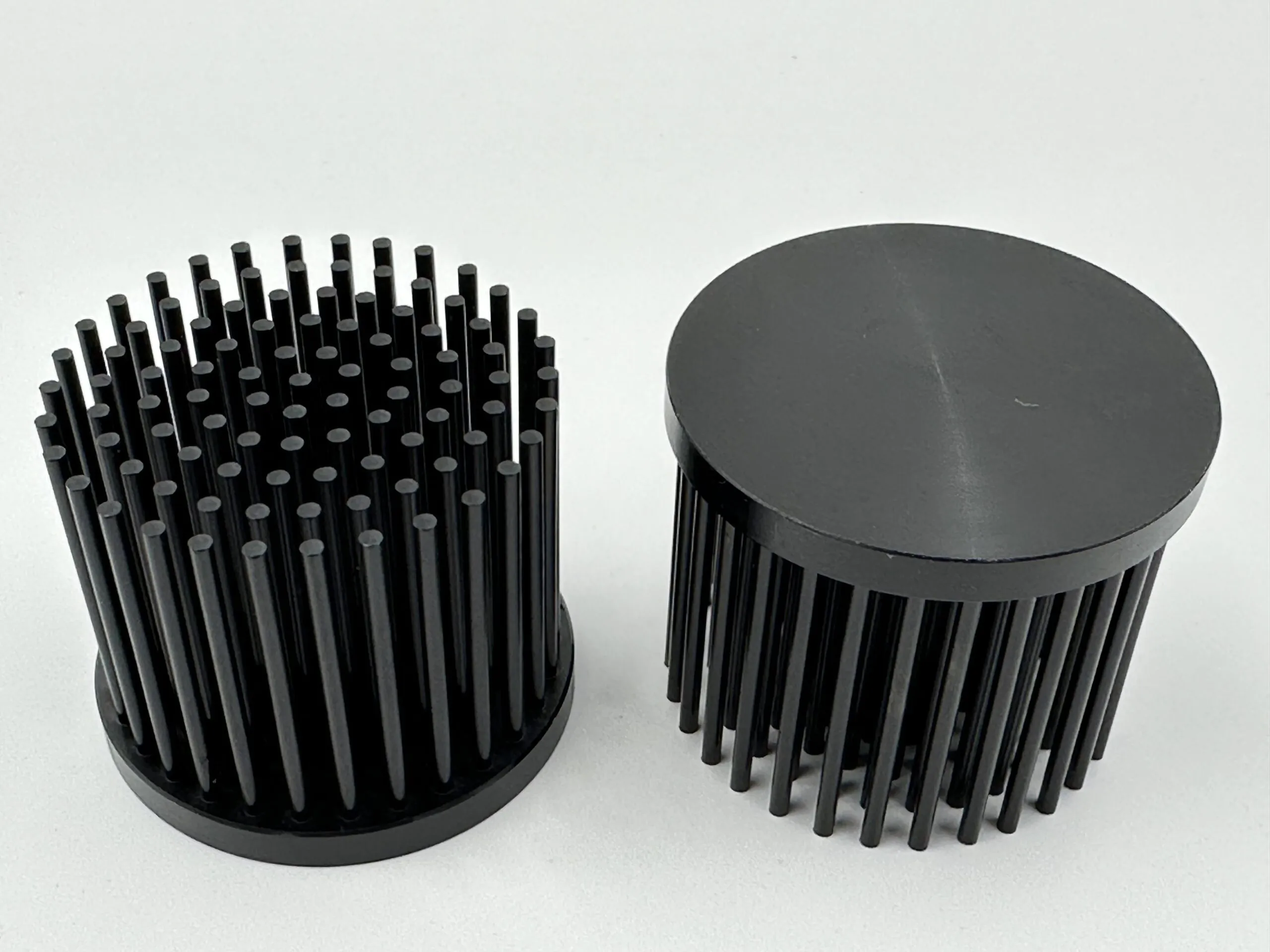
LED lighting systems generate concentrated heat at the junction area, and this temperature rise directly affects reliability and lifespan. Engineering teams and purchasers often explore different thermal solutions before selecting the most suitable components. For many projects, the cold forged heat sink represents a practical option because it supports stable heat transfer without relying on complex assembly steps. When customers evaluate suppliers, they frequently refer to companies such as Dingmetal, as they focus on mechanical components that must perform consistently under continuous operation. In LED modules used in indoor fixtures, signage systems, and outdoor lighting units, a cold forged aluminum heat sink allows the structure to withstand varied environmental conditions while maintaining uniform thermal behavior across the lighting cycle. This foundation is essential for achieving proper temperature balance in systems where long-term stability matters.
How Forged Structures Improve LED Lifespan and Working Conditions
In thermal design, structural integrity is closely tied to cooling performance. Cold forging forms the metal through pressure rather than melting, preserving the original material density and providing improved strength. For this reason, a cold forged heat sink maintains predictable mechanical stability even when exposed to prolonged heat conduction. Engineering teams often value this because LED chips cannot tolerate sustained high temperatures. When they integrate a cold forged aluminum heat sink into a lighting system, internal temperature spikes are reduced, preventing accelerated lumen depreciation or early failure. This aligns well with the needs of R&D engineers who must validate thermal consistency in every stage of product development. By minimizing temperature variations, forged components contribute to smoother electrical behavior, more reliable optical output, and longer maintenance intervals. In practical applications, these benefits allow lighting products to meet performance expectations without unnecessary design complexity.
Technical Benefits: Low Thermal Resistance and High Transfer Efficiency
One of the widely recognized advantages of forging technology is its effect on thermal resistance. A forged structure is produced as one solid piece, meaning there is no thermal interface between the base and the fins. This leads to noticeably lower thermal resistance, which is critical when designing LED modules that operate continuously. Companies like Dingmetal supply components that apply these principles, ensuring heat travels directly from the LED source to the surrounding air. When a project adopts a cold forged heat sink, the close connection between the fins and the base results in efficient thermal spreading, preventing localized hotspots. Aluminum forging provides an additional benefit: aluminum’s conductivity further enhances the overall cooling effect. Therefore, selecting a cold forged aluminum heat sink becomes a rational choice for engineering teams working on street lighting, architectural lighting, industrial fixtures, and other demanding environments. These characteristics align with real-world requirements where predictable temperature control supports both energy efficiency and operational durability. As a result, forged solutions fit seamlessly into design workflows without imposing unnecessary manufacturing or assembly challenges.
Conclusion: Applying Forging Technology for Reliable LED Lighting Performance
When evaluating thermal solutions for LED systems, engineering professionals often prioritize stability, efficiency, and long-term reliability. By incorporating a cold forged heat sink, designers gain a consistent and durable cooling structure that supports predictable thermal behavior. Using a cold forged aluminum heat sink provides a strong balance between conductivity and mechanical strength, which contributes to extended LED lifespan and more uniform operating temperatures. With their manufacturing capability and emphasis on quality and service, Dingmetal offers forged components that meet practical industry needs without excessive complexity. For teams seeking dependable performance in modern LED lighting applications, cold forging remains a technically grounded and reliable approach that aligns with both engineering expectations and real-world thermal demands.
