Selecting the right embedded computing architecture is one of the most important decisions in product development. For equipment manufacturers, system integrators, and solution providers, the choice made at the hardware design stage can influence development speed, production efficiency, lifecycle management, and future scalability.
As intelligent devices become more advanced, companies are increasingly looking for modular computing solutions that simplify development while maintaining flexibility. Two common approaches in embedded design are Computer-on-Module (COM) and System-on-Module (SoM). Understanding the differences in COM vs SoM architectures helps developers choose a platform that matches their application requirements and long-term business goals.
Rather than focusing only on processing performance, manufacturers need to consider integration complexity, customization needs, product lifecycle, and technical support when selecting between a computer on module solution and a SoM-based approach.
Understanding the Difference Between COM and SoM Architectures
Both COM and SoM technologies are designed to simplify embedded system development by integrating key computing components into a compact module. However, their design concepts and typical application approaches are different.
A Computer-on-Module generally integrates a complete computing system, including processor, memory, storage, and essential interfaces, into a standardized module format. Developers typically design a custom carrier board to connect the module with application-specific hardware components.
A System-on-Module also integrates core computing elements into a compact board-level solution, but it is often designed with greater flexibility for embedded applications. SoM platforms can combine processing units, memory, communication features, and software support to provide a more application-oriented foundation.
When comparing COM vs SoM, the key difference is often related to customization strategy and product development goals. COM solutions are commonly selected when companies need standardized computing platforms, while SoM solutions can provide greater flexibility for customized embedded products.
How COM and SoM Support Different Development Requirements
The choice between COM and SoM depends largely on the type of product being developed. Different industries have different expectations regarding performance, customization, deployment scale, and maintenance.
For applications requiring a standardized computing architecture, COM solutions can provide an efficient development path. They allow manufacturers to use established module formats and focus engineering efforts on their application-specific designs.
However, many industrial products require deeper customization and long-term flexibility. Robotics systems, industrial controllers, smart energy equipment, and intelligent terminals may need specialized hardware configurations that evolve over time.
A computer on module platform can reduce initial hardware development effort, while a SoM architecture may offer advantages for companies seeking a balance between customization and development efficiency. The right choice depends on product requirements, engineering resources, and future expansion plans.
Considering Scalability and Product Lifecycle
Industrial products often have longer market cycles compared with consumer electronics. Equipment manufacturers need computing platforms that can support stable production and future product improvements.
Lifecycle management is an important consideration because changes in processors or components can create redesign challenges. A suitable modular architecture helps companies maintain product consistency while adapting to technology updates.
SoM solutions are often attractive for industrial applications because they provide a flexible foundation for product development. Manufacturers can customize their carrier boards and system designs while maintaining the core computing platform.
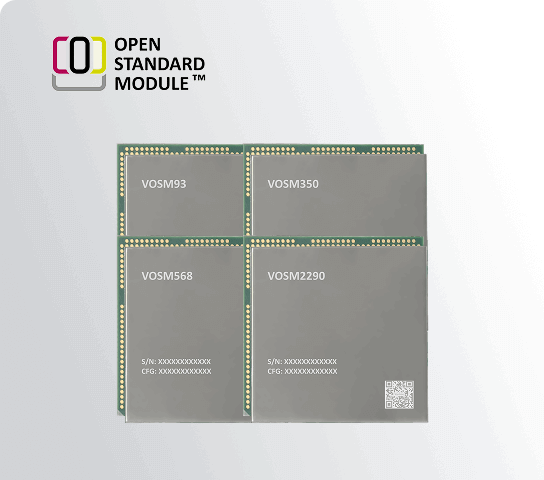
Vantron provides System-on-Module solutions designed for embedded applications across industries such as industrial automation, robotics, medical equipment, and smart energy. These solutions help customers build connected products with a focus on reliability and efficient integration.
Evaluating Integration, Software, and Technical Support
Hardware selection is only one part of successful embedded product development. Software compatibility, driver support, documentation, and engineering assistance also influence project success.
A modular computing platform should provide a smooth development experience. Companies need reliable software resources and technical support to integrate hardware into their final products efficiently.
For manufacturers comparing COM vs SoM, it is important to evaluate the complete ecosystem behind the module. A platform with strong engineering support can reduce development challenges and help shorten time to market.
Experienced technology providers can assist with system integration, application optimization, and deployment challenges. This support becomes especially valuable for businesses developing complex industrial solutions where hardware and software must work together seamlessly.
Choosing the Right Architecture for Industrial Applications
There is no universal answer when selecting between COM and SoM. The best architecture depends on the application environment, production strategy, and desired level of customization.
Companies developing products with specific mechanical designs, unique interfaces, or specialized functions may benefit from a flexible SoM approach. It allows developers to create differentiated products while avoiding unnecessary complexity in core computing design.
On the other hand, applications that require standardized module formats and predictable development processes may find COM architectures suitable.
A careful evaluation of performance requirements, customization expectations, lifecycle planning, and supplier capabilities can help businesses make better decisions. The goal is not simply to choose a module type but to select a computing foundation that supports long-term product success.
Building Future-Ready Embedded Products with the Right Platform
As industries continue adopting edge computing, automation, and connected technologies, embedded hardware architectures will play a critical role in product innovation. Manufacturers need solutions that support current requirements while allowing room for future development.
The decision between COM vs SoM should consider more than technical specifications. Factors such as development efficiency, scalability, software support, and supplier experience all contribute to the overall success of an embedded project.
With experience in embedded computing and IoT solutions, Vantron supports businesses seeking reliable platforms for intelligent product development. Its System-on-Module solutions provide a flexible approach for companies building connected devices and industrial systems.
For organizations evaluating a computer on module architecture, selecting the right partner is just as important as selecting the right technology. A well-chosen modular platform can help reduce development risks, improve production efficiency, and create a stronger foundation for future product growth.
