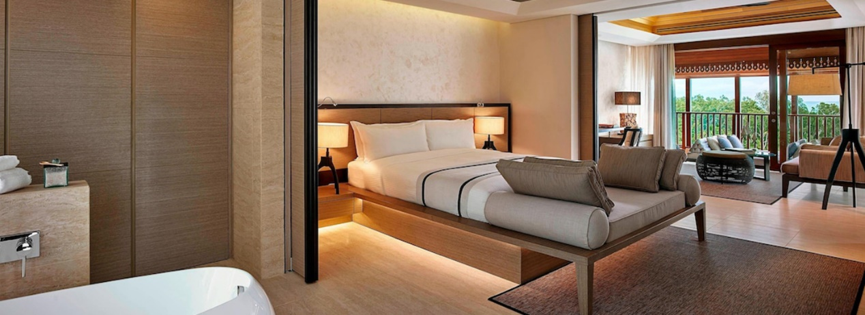
A delayed grand opening often costs hospitality groups millions in lost room revenue and damaged brand reputation. Frequently, these severe timeline shifts stem directly from disorganized FF&E (Furniture, Fixtures, and Equipment) procurement. When custom pieces fail to meet commercial standards or arrive weeks behind schedule, project managers find themselves scrambling to find temporary fixes.
Avoiding these costly scenarios requires a rigorous vetting process long before initial deposits are wired. Selecting an appropriate supply chain partner can influence the progress of the interior build-out. Sourcing teams must look beyond attractive initial price points to evaluate a vendor’s true capacity for complex, large-scale hospitality execution.
Many developers look globally to balance budgetary constraints with high-end design aspirations. Partnering with a capable China hotel furniture manufacturer frequently supports this goal by offering scalable production lines and access to diverse material supply chains. However, identifying a reliable entity requires deep analysis of their operational infrastructure.
Evaluating Full-Solution Capabilities
Instead of managing dozens of disparate vendors, procurement directors often benefit from consolidating their purchasing efforts. Suppliers that offer comprehensive interior solutions aid in streamlining project management. This approach helps reduce the administrative burden of coordinating separate timelines for casegoods, seating, and complex architectural millwork.
A consolidated strategy allows for better material matching across different room zones. Companies like BFP Furniture provide integrated outfitting solutions that span across lobby lounges, guestrooms, and dining facilities. Working with a single comprehensive provider helps maintain consistent design narratives throughout the entire property.
Beyond simple manufacturing, capable partners should offer robust engineering support. When interior designers submit initial sketches, the factory’s technical team needs to translate those concepts into viable shop drawings. A single-source provider can preserve design consistency across diverse interior elements and reduce coordination risk at the project level.
The Critical Role of Prototyping
Transitioning directly from a digital rendering to mass manufacturing presents significant financial exposure. Experienced sourcing teams regularly mandate physical mock-ups for key items. Reviewing a tangible sample allows stakeholders to assess ergonomics, foam density, and finish quality under realistic lighting conditions.
The mock-up gives designers and manufacturers an opportunity to compare the approved design with the physical product before mass production. Hotel operators can physically test how the pieces function within a model room. Adjusting dimensions or selecting a more durable upholstery fabric during this phase aids in preventing widespread issues later.
Housekeeping staff should also interact with these model rooms prior to approval. Their feedback regarding ease of cleaning or potential snag hazards provides valuable operational insight. Implementing their suggestions helps support long-term maintenance protocols and reduces the frequency of localized repairs once the property opens.
Assessing Commercial-Grade Durability
Hospitality environments subject interiors to rigorous daily wear. Consequently, the chosen manufacturing partner must understand the technical distinctions between residential and commercial specifications. Utilizing kiln-dried hardwood frames, high-resiliency foams, and reinforced joinery helps extend the lifecycle of high-traffic lounge seating.
Surface treatments require equal attention during the vetting process. Specifying heavy-duty, moisture-resistant finishes for casegoods helps delay the visual degradation caused by constant guest turnover. For hardware, selecting commercial-grade drawer glides and soft-close hinges supports a smoother guest experience while reducing maintenance calls.
Upholstery selections play a significant role in a room’s overall longevity. Suppliers should offer access to performance textiles treated with advanced stain-repellent technologies. Utilizing these commercial-grade fabrics aids in maintaining a pristine aesthetic between scheduled deep-cleaning cycles, supporting the hotel’s overarching brand image.
Material sourcing transparency is becoming increasingly vital for modern hospitality developments. Many luxury brands now prioritize environmentally conscious procurement strategies. Selecting a partner that tracks timber origins and utilizes low-volatile organic compound (VOC) finishes helps support broader corporate sustainability goals while promoting a healthier indoor environment for guests.
Navigating Global Logistics and Compliance
A vendor’s responsibility extends far beyond the factory floor. Coordinating international freight requires precision to align with shifting construction schedules. Capable suppliers typically possess experienced logistics teams that help navigate customs documentation and coordinate phased deliveries directly to the job site.
Phased shipping prevents active construction zones from becoming overwhelmed by premature arrivals, which often leads to accidental damage. When sourcing China hotel furniture, establishing clear communication channels with freight forwarders enables project managers to anticipate maritime delays. This synchronization helps coordinate exact drop-off sequences with local installation teams.
Third-party quality control inspections add another layer of operational security. Engaging independent inspectors to review the finished goods before they are loaded into shipping containers helps catch discrepancies early. Addressing these issues at the source facilitates a smoother final installation process and reduces costly on-site modifications.
Furthermore, the chosen supplier must demonstrate strict adherence to regional safety regulations. This includes providing accurate certifications for fire-retardant foams and fabrics. Verifying this documentation early in the procurement cycle helps reduce the risk of compliance hurdles during final municipal building inspections.
Supporting the Property Lifecycle
The relationship with a manufacturing partner should remain active long after the final chair is placed. Developing a comprehensive handover package that includes detailed material care guides provides ongoing support for the property’s maintenance staff. Access to accurate technical data enables quicker localized replacements.
Thorough vendor vetting ultimately yields a more resilient interior build-out. Prioritizing partners who demonstrate robust engineering, transparent communication, and full-solution capabilities helps bridge the gap between initial design concepts and commercial viability. Such rigorous partner selection delivers sophisticated interiors built for the practical demands of day to day hospitality use.
