A molded part does not simply take the shape of a cavity because pressure is applied. The material itself determines how that cavity should be designed, how much material needs to be loaded, and how heat and pressure must be controlled during forming. That relationship becomes especially important for silicone and rubber components, where flexibility, curing behavior, and part geometry directly affect manufacturing results.
Compression molding approaches this problem by placing a measured amount of material into a mold and using heat and pressure to form and cure it. HordRT describes silicone compression molding as a process for producing elastomeric silicone parts ranging from simple seals to precision molded components. The company also supports both single- and multi-cavity tooling for different production requirements.
Why Material Behavior Changes the Molding Strategy
Material selection should happen before mold construction because the molding process has to accommodate the way the material behaves under heat and pressure.
Silicone rubber, for example, is flexible before and after molding but undergoes a curing process inside the heated cavity. The material must be positioned in a controlled quantity before the mold closes, after which pressure and heat help distribute the material throughout the cavity and complete solidification.
HordRT identifies HCR, or High Consistency Rubber, and LSR among the silicone materials that can be used in its compression molding process. Its newer technical guidance emphasizes selecting silicone according to factors such as hardness, flexibility, temperature exposure, sealing requirements, and the operating environment.
That means a mold cannot be evaluated independently from the compound it is intended to process. A geometry that looks straightforward in CAD may behave differently depending on material hardness, section thickness, curing characteristics, and the functional demands placed on the finished component.
The same principle applies to production planning. A material that requires controlled curing may need a different cycle strategy from one whose primary challenge is simply filling a cavity.
What Actually Happens Inside a Compression Mold
The physical sequence is relatively straightforward, but each stage has a specific manufacturing purpose.
First, the mold is manufactured according to the required component geometry. HordRT describes CNC machining and polishing as part of its compression mold preparation. For simple silicone components, the tooling can consist of cavity and core plates that are assembled before being installed in the compression molding machine.
Next, the prepared silicone material is placed into the mold. The press closes, applying controlled heat and pressure so the material spreads through the cavity and cures into the required shape.
Once the curing stage is complete, pressure is released and the mold plates are separated so the finished component can be removed.
The simplicity of this sequence is one reason compression molding differs from processes such as LSR injection molding. HordRT notes that compression molding does not require the same type of injection system and describes it as a comparatively simple process for silicone parts.
Yet simple equipment does not mean simple engineering. The cavity, material charge, temperature, pressure, and curing time still need to work together.
Mold Design Starts With How the Material Moves
Mold geometry determines where the material must travel, how surfaces will be formed, and how the finished part can be removed after curing. Consequently, part design and tooling design need to be considered together.
A flexible silicone component may contain thin sections, sealing edges, openings, grooves, or features that require careful control during molding. HordRT’s current silicone compression molding guidance specifically describes DFM review around geometry, material behavior, parting lines, and demolding considerations.
Part thickness is particularly relevant because curing must occur throughout the material. HordRT’s design guide notes that uneven wall thickness can produce different curing behavior between thicker and thinner sections. Its guidance recommends controlling wall thickness to support consistent curing.
Demolding presents another design constraint. Silicone’s flexibility can make certain undercut features more manageable than they would be in rigid thermoplastic molding, but the geometry still needs to be evaluated for reliable release.
For that reason, an effective mold design is not simply a negative copy of the CAD model. It represents an interpretation of how the material will occupy the cavity, cure within it, and leave the tooling without damaging the part.
Pressure Is Only One Part of Process Control
The name of the process can make pressure sound like its defining variable. In practice, pressure works alongside temperature, material quantity, and curing time.
Too little attention to material preparation can affect how completely the cavity is filled. Inadequate thermal control can influence curing. Excessive variation in the process can produce differences between otherwise identical parts.
HordRT describes its process as using heat and pressure for a defined period so that silicone can spread through the cavity and solidify. Its newer workflow also identifies material measuring and placement, molding and curing, trimming, and inspection as connected stages rather than independent operations.
This integrated view is important for engineering teams specifying a molded component. A drawing may define dimensions and tolerances, but the manufacturing process still has to translate those requirements into repeatable physical parts.
Inspection consequently remains part of process control. HordRT states that molded silicone parts can be inspected according to drawing requirements, including dimensional, visual, surface, and applicable material or hardness checks.
Where Compression Molding Fits Into Product Development
Compression molding can make sense when a product requires flexible molded components rather than rigid plastic housings or structural thermoplastic parts.
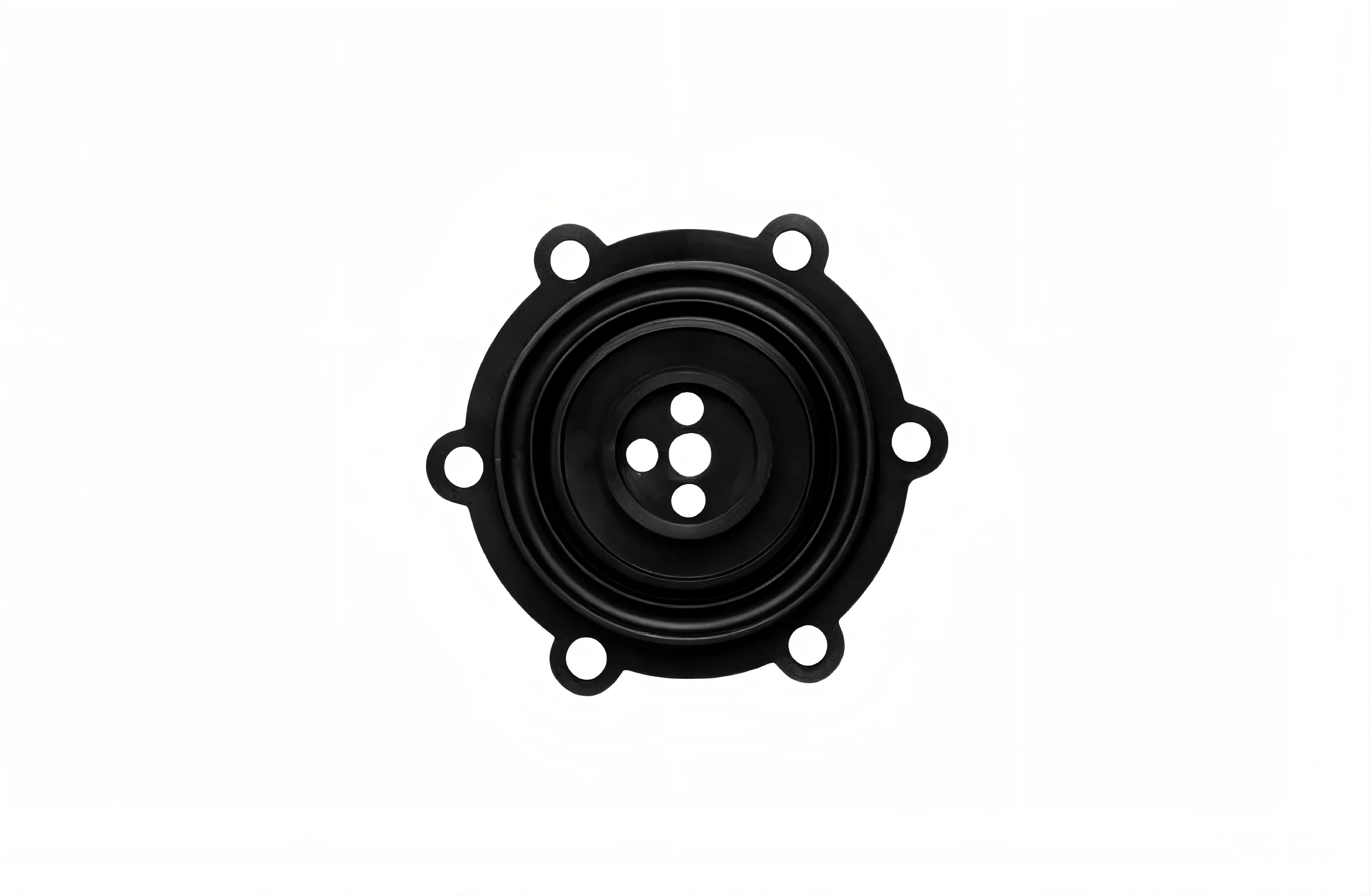
HordRT lists seals, gaskets, diaphragms, keypads, buttons, boots, and other silicone components among the applications supported by its current silicone compression molding service. Its published industry examples include medical devices, automotive, aerospace, electronics, consumer products, and energy-related applications.
The process can also accommodate different production scales. HordRT states that it supports low-volume production and offers both single- and multi-cavity molds. Its original compression molding page also states that there is no minimum order quantity.
That flexibility is useful when a product is still moving through validation or when demand does not justify a large-scale automated molding strategy. The tooling can be developed around the actual component rather than forcing every project into the same production model.
Choosing the Process by Material and Part Requirements
The most useful way to evaluate compression molding is not to ask whether it is generally better than injection molding. The relevant question is whether its material-loading, heating, compression, curing, and demolding characteristics match the component being developed.
Silicone seals, diaphragms, flexible covers, protective boots, and similar parts can benefit from a process designed specifically around elastomer behavior. A rigid thermoplastic component with completely different filling and cooling requirements may require another molding technology.
Part geometry also matters. Large or thick sections, flexible structures, multiple cavities, and specific sealing requirements can all influence the manufacturing decision. HordRT notes that compression molding can accommodate parts ranging from small to large sizes and tooling from single to multiple cavities, depending on equipment and production requirements.
The engineering decision should therefore begin with the part’s functional demands: what material must it use, how must it flex or seal, what environment will it encounter, which dimensions are critical, and how many parts are actually required?
Once those questions are answered, tooling and process parameters can be developed around the component rather than selected independently.
Compression molding works best when the manufacturing method reflects the physical behavior of the material. Heat, pressure, curing, cavity geometry, material preparation, and inspection form one connected system. Treating them separately can create unnecessary iterations; designing them together gives engineers a clearer route from a flexible raw material to a controlled, functional molded component.
For projects requiring custom silicone parts, HordRT combines compression tooling, material planning, molding, finishing, and inspection within one workflow, supporting development from initial samples through repeat production.
