Modern high-speed manufacturing lines encounter severe quality risks when subsurface micro-voids or weak metallurgical bonds escape post-production destructive testing protocols.
Automated battery module assembly and automotive body-in-white fabrication demand continuous verification of electrical and mechanical parameters during every single millisecond of current application.
Quality managers face persistent hurdles tracking transient energy fluctuations that compromise structural integrity without leaving exterior surface indicators. Capturing these hidden anomalies requires sophisticated digital instrumentation capable of recording microsecond-level current, voltage, force, and displacement metrics simultaneously.
Operators navigating high-volume production schedules often struggle to identify marginal welds caused by minor electrode degradation or variable sheet metal coatings. Hidden micro-defects weaken structural joints, threatening catastrophic failure under extreme mechanical stress and thermal fatigue during field operation.
Establishing strict process control requires moving beyond random destructive audits toward comprehensive, 100-percent inline verification architectures across all assembly stations. Integrating advanced diagnostic sensing equipment empowers manufacturing facilities to catch thermal anomalies instantly before defective sub-assemblies leave the workstation.
Multi-Variable Data Capture During Micro-Joining Cycles
Complex multi-material stacks introduce high dynamic resistance variations that standard open-loop controllers fail to interpret or correct mid-cycle across high-speed lines. High-performance optical and digital sensors must sample secondary electrical signals at ultra-high frequencies to map the exact thermal expansion curve of the forming nugget.
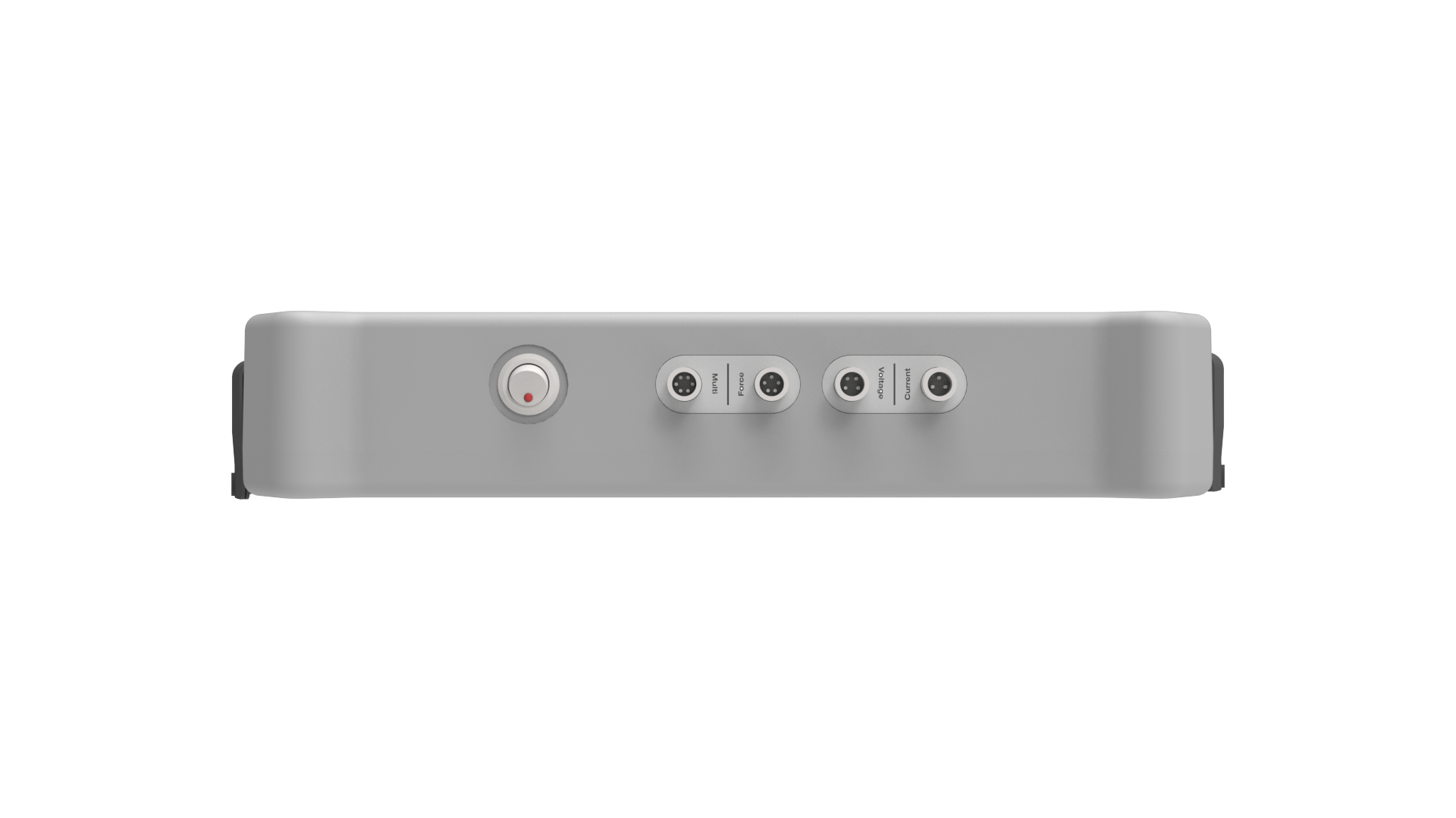
Industrial engineers rely upon a precision resistance welding monitor to log secondary current, electrode displacement, and dynamic resistance profiles instantly. Recording these interdependent variables illuminates hidden thermal imbalances caused by surface oxidation or minor sheet-metal thickness deviations across raw material batches.
Transient thermal spikes frequently destabilize nugget growth when joining highly conductive aluminum alloys or dissimilar copper-to-aluminum busbar configurations. Capturing these rapid micro-events demands specialized analog-to-digital conversion channels capable of isolating electrical noise generated by heavy industrial power transformers.
Technicians utilize synchronized data channels to cross-reference mechanical displacement data against electrical energy inputs during every individual weld sequence. Gaining precise visibility into these internal dynamics allows process engineers to establish tighter operational windows and eliminate sporadic cold shunts.
Enforcing Dynamic Threshold Limits to Prevent Defect Escape
Static upper and lower control limits often trigger false alarms or permit marginal joints to pass when environmental conditions shift on the factory floor. Advanced digital platforms utilize envelope-based tolerance bands that track the natural progression of the thermal curve from initial squeeze time to hold phase.
Installing a dependable resistance weld monitor ensures instant identification of heating curve deviations from certified mathematical signatures. Automated sorting gates divert suspect assemblies instantly, preventing defective components from advancing to downstream sub-assembly stations.
Establishing reliable acceptance criteria involves analyzing historical process data gathered from thousands of successful destructive test samples across diverse operating environments. Mathematical envelope algorithms adapt automatically to minor component variations while aggressively flagging true metallurgical anomalies like severe expulsion or insufficient penetration.
Production supervisors configure customized alarm matrices to notify maintenance teams immediately whenever consecutive cycles exhibit abnormal thermal characteristics. Implementing robust envelope monitoring significantly reduces field warranty claims by ensuring zero defective structural joints escape factory inspection protocols.
Ensuring Traceability Through Digital Production Logs
Regulatory compliance and strict customer specifications mandate complete birth-history documentation for every critical structural joint in safety-critical vehicle architectures. Manual inspection logs introduce human transcription errors and fail to provide the granular detail required for comprehensive root-cause failure analysis.
Every deployed resistance weld monitor archives detailed waveform data alongside unique part serial numbers within secure central manufacturing execution databases. Plant quality auditors can retrieve historical performance records years after initial production, verifying absolute compliance with international welding standards.
Immutable digital records protect manufacturing enterprises against liability disputes by providing unalterable proof of adherence to strict engineering blueprints. Secure database integration allows plant managers to correlate specific welding waveforms with downstream durability test results and field performance metrics.
Sunke provides advanced data management software that organizes complex waveform files into easily searchable compliance reports for auditing authorities. Maintaining transparent lifecycle records strengthens customer confidence and validates the structural integrity of high-stakes industrial assemblies.
Leveraging Real-Time Analytics for Process Optimization
Continuous data accumulation transforms reactive shop-floor troubleshooting into proactive engineering optimization based on empirical trend analysis and statistical process control. Plant metallurgists examine cumulative historical waveform signatures to detect gradual electrode wear patterns before surface degradation compromises weld nugget volume.
An advanced resistance welding monitor delivers continuous oversight to integrate seamlessly into complex industrial automation networks and enterprise data systems. Their technical solutions empower manufacturing teams to refine programmable weld schedules and eliminate root causes of micro-porosity.
Deploying reliable monitoring equipment allows facilities to maintain maximum uptime while achieving zero-defect production targets consistently across demanding production shifts. Advanced analytical tools process multi-variable datasets to reveal hidden correlations between ambient temperature shifts, cooling water flow rates, and electrical resistance profiles.
Predictive maintenance algorithms utilize these empirical insights to schedule electrode dressing or replacement cycles precisely when required rather than on arbitrary schedules. Engineering departments leverage aggregated plant-wide performance metrics to standardize optimal joining parameters across multiple manufacturing facilities globally. Maximizing equipment efficiency through data-driven insight lowers operational costs while elevating overall product quality.
Achieving absolute reliability in automated resistance joining demands continuous digital visibility over every physical variable influencing nugget formation. Integrating intelligent hardware solutions bridges the gap between raw power delivery and strict structural verification under high-speed manufacturing conditions.
Sunke supports global industrial leaders by delivering robust quality assurance technology designed for extreme operational environments. Selecting proven monitoring architectures ensures that automated assembly cells maintain uncompromising quality standards throughout their extended operational lifecycles, securing long-term customer satisfaction and brand reputation.
