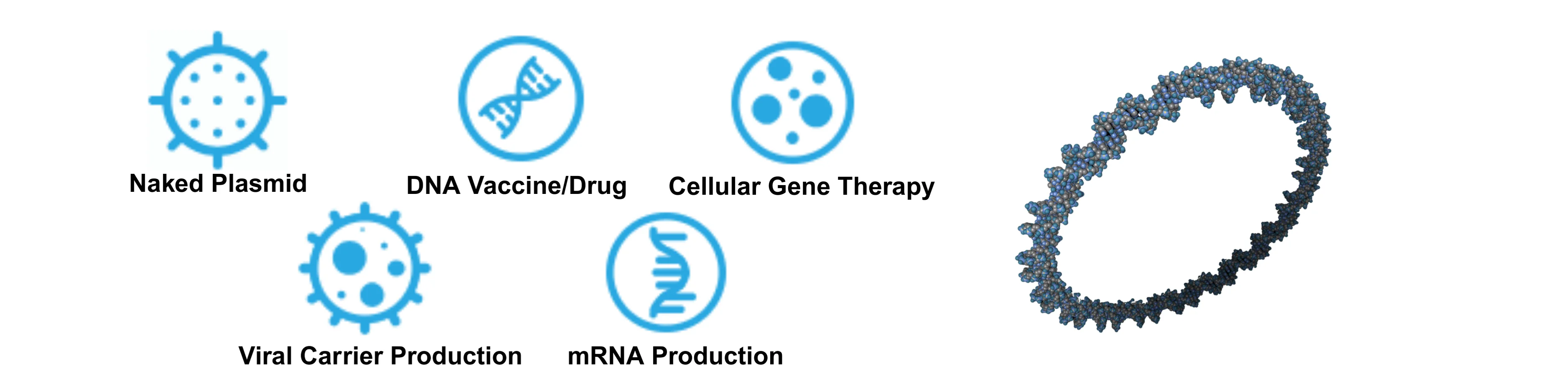
Contemporary pharmaceutical research relies heavily on sophisticated nucleic acid platforms to power the next generation of genetic medicines. Transforming raw molecular designs into viable clinical treatments requires stringent adherence to international quality standards, scalable fermentation techniques, and precise purification methodologies. Researchers investigating viral gene transfer, cell modification strategies, and nucleic acid immunization depend heavily on clinical-grade materials. Organizations such as Yaohai Bio-Pharma provide comprehensive microbial contract research and development services centered around GMP plasmid DNA, illustrating how standardized biomanufacturing platforms accelerate regulatory clearance and clinical progression.
Advancing Viral Gene Therapy Applications
Viral vector construction forms a cornerstone for modern gene therapy modalities, particularly those utilizing adeno-associated virus frameworks. Production protocols require high-purity nucleic acid templates to transfect packaging cells efficiently and maximize viral titer yields. Circular expression vectors must maintain precise supercoiled ratios and minimal genomic impurities to prevent aberrant packaging events during upstream cultivation runs.
Scaling up vector production demands robust microbial fermentation platforms capable of handling diverse plasmid architectures without inducing structural mutations. Bioreactor parameters require careful calibration regarding oxygen transfer rates, nutrient feeding schedules, and thermal profiles. Experienced development teams utilize specialized analytical instrumentation to track metabolic indicators throughout the fermentation cycle.
Supporting Cell Therapy And Modification Workflows
Cellular immunotherapy pipelines utilize engineered genetic material to reprogram patient immune cells for targeted disease eradication. Delivering therapeutic transgenes into lymphocytes or stem cells requires highly purified nucleic acid vectors with strict safety profiles. Minimizing host cell protein and endotoxin contamination is vital to prevent adverse immunological reactions during ex vivo cell modification procedures.
Downstream purification workflows must separate open circular isoforms from supercoiled configurations with high resolution. Advanced chromatographic techniques, including size-exclusion and anion-exchange methods, facilitate precise separation of molecular variants. Contract manufacturing organizations provide specialized processing suites that protect sensitive genetic materials from degradation throughout purification. Sustained enforcement of high-quality standards supports cellular modification raw materials in fulfilling regulatory compliance demands.
Powering DNA Vaccines And Therapeutics
Direct DNA immunization strategies depend on circular genetic constructs designed to express protective antigens directly within host tissues. These naked nucleic acid medicines require stable expression cassettes, strong promoters, and robust antibiotic-free selection markers to enhance biosafety profiles. Large-scale production requires fermentation strategies that maximize volumetric yields while preventing plasmid relaxation or concatemer formation.
Formulating stable DNA therapeutics involves optimizing buffer conditions and cryogenic storage parameters to extend shelf-life stability. Analytical characterization protocols must verify supercoil percentage, residual RNA levels, and host genomic DNA limits for every manufactured lot. Structured quality management systems provide the necessary traceability required for international regulatory dossier submissions. Comprehensive analytical support builds robust confidence for sponsors throughout preclinical and clinical assessment phases.
Facilitating Messenger RNA Production Templates
Messenger RNA therapeutics and vaccines require high-quality linear or circular DNA templates for in vitro transcription reactions. The fidelity of the transcribed RNA product depends directly on the sequence integrity and linearization efficiency of the starting nucleic acid template. Specialized restriction endonuclease digestion workflows must achieve complete template conversion without introducing nuclease contamination or truncating the coding sequence.
Optimizing transcription template preparation involves rigorous verification of transcription start sites and polyadenylation tail integrity. Scalable manufacturing facilities provide integrated workflows that bridge plasmid production directly with downstream template processing. Organizations specializing in microbial CRDMO services utilize mature process development capabilities to assist innovators in obtaining investigational new drug approvals. Such integrated oversight streamlines the critical transition from laboratory research to commercial manufacturing.
Navigating Global Regulatory Standards And Compliance
Regulatory harmonization remains a fundamental hurdle for biopharmaceutical developers seeking international market authorization for genetic medicines. Facilities producing nucleic acid active pharmaceutical ingredients must operate under current Good Manufacturing Practice standards enforced by major global health authorities. Regular quality audits and rigorous documentation practices verify that every manufacturing phase adheres to established international compendia.
Transparent record-keeping systems offer complete traceability from raw material intake to final product release. Standardized quality management systems encompass comprehensive equipment qualification, personnel training, and environmental monitoring protocols. Independent quality assurance teams oversee deviation investigations and implement corrective action plans proactively. Partnering with facilities holding robust audit histories significantly accelerates regulatory dossier review processes and mitigates clinical hold risks.
Customized Manufacturing Layouts Match Diversified Clinical Production Demands
Biologic developers face variable output requirements throughout preclinical, clinical and commercial development cycles, which demands highly adaptable manufacturing hardware. Flexible bioreactor configurations stand as a core evaluation index for CDMO selection. Stainless steel and single-use bioreactor hardware each carry unique application advantages to fit distinct project timelines and batch sizes. Reasonable zoning of independent processing areas effectively isolates separate product lines and removes hidden risks during scale conversion.
Global pharmacopoeia set strict thresholds for cleanroom grading and environmental management. Complete air circulation frameworks with HEPA filters stabilize pressure gradients in core processing areas. Standardized pure water and clean steam delivery systems form the basic support of all aseptic workflows. Yaohai Bio-Pharma designs targeted cleanroom structures tailored to microbial biomaterial production. The proprietary facility layout is well suited to fulfill stringent sterility control needs for GMP-grade plasmid, protein and nanobody feedstocks.
Conclusion
Careful selection of a biopharmaceutical manufacturing partner entails rigorous review of technical capabilities, regulatory compliance experience and facility resources. Focusing on transparency, solid quality control protocols and versatile expression systems helps developers proactively address operational risks. Partnerships with expert microbial contract service providers simplify clinical advancement and bring essential genetic innovations to worldwide healthcare markets more reliably.
