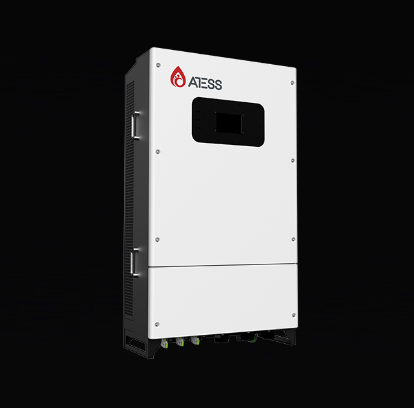
Historical developments in power electronics have shifted the focus toward more integrated energy solutions for commercial and industrial applications. Modern power systems now utilize a hybrid inverter to manage complex flows of electricity between photovoltaic arrays, battery banks, and the utility grid. As companies like Atess refine their hardware, they provide the necessary infrastructure to support stable energy environments. These technical advancements allow facilities to move away from rigid, single-source power dependencies toward more adaptable, multifaceted energy strategies that handle modern electrical loads.
Technical Advancements in Power Conversion
Recent years have seen substantial growth in the capability of conversion equipment to handle high-voltage and high-current demands. The current generation of hybrid inverters for solar setups integrates advanced maximum power point tracking to capture more energy from PV modules, even under challenging conditions. Atess incorporates robust power conversion architectures that ensure reliable operation across various temperature ranges, from -25°C to +55°C. By focusing on high-efficiency conversion and rapid response times, these devices minimize energy losses during the process of converting DC power into usable AC, which is vital for maintaining the continuity of industrial operations.
Integration and Scalability Features
Engineers have prioritized modularity to accommodate the expanding energy needs of businesses and retail environments. A hybrid inverter can now be paralleled—sometimes up to four units—to scale system capacity significantly, providing more power to sites with growing consumption profiles. Atess designs their hardware to be compatible with a wide range of battery chemistries, including high-voltage systems, allowing users to build storage capacities tailored to their specific requirements. This scalable approach allows for the creation of systems that can manage peak shaving and energy shifting, effectively providing a degree of autonomy from utility fluctuations while simplifying the underlying system architecture.
Reliability in Modern Energy Systems
Ensuring long-term performance requires durable hardware that supports seamless communication between system components. Reliable hybrid inverters for solar installations now feature built-in touchscreens and standardized communication protocols like RS485 and CAN, which allow for real-time monitoring of energy status. By utilizing these tools, operators can observe system health and adjust operational parameters as necessary. Atess provides the necessary functionality to maintain stable voltage and frequency, ensuring that critical loads remain powered even during grid interruptions. These robust systems represent a stable, practical progression in how industries manage their internal power distribution.
