Establishing a reliable surgical environment requires careful evaluation of the technology used to deliver sedative gases and maintain patient stability. For a modern facility, an anesthesia machine serves as the central hub of the operating room, integrating gas delivery, mechanical ventilation, and physiological monitoring. COMEN focuses on developing systems that provide clinicians with high-precision control over fresh gas flow and anesthetic concentration. By prioritizing equipment that balances ease of use with technical sophistication, hospitals can ensure that their anesthesia equipment supports a wide range of surgical procedures while maintaining a high level of patient safety.
Assessing Ventilation and Precision Control
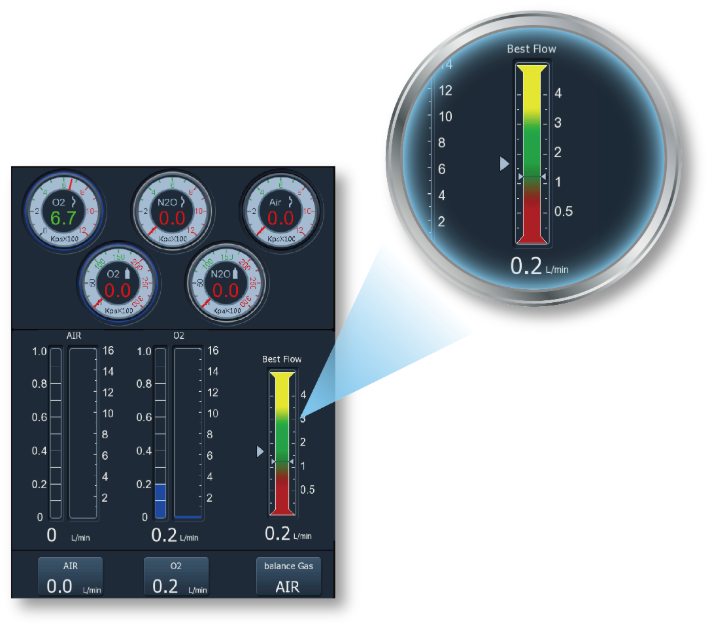
A critical factor in the selection process is the performance of the integrated ventilator. Each anesthesia machine is designed to offer comprehensive ventilation modes, including volume and pressure control, which are essential for managing different patient demographics from pediatrics to adults. Accurate flow meters and electronic gas mixing systems are vital components that prevent hypoxic mixtures and ensure the precise delivery of agents. When investigating anesthesia equipment, medical teams should verify that the system offers digital feedback and real-time monitoring of airway pressures to facilitate immediate adjustments during induction and maintenance.
Prioritizing Safety Features and Monitoring
Safety protocols must be embedded within the hardware to mitigate risks associated with gas delivery. Modern systems incorporate advanced features such as oxygen sensors and backup gas cylinders to protect against main supply failures. Furthermore, a high-quality anesthesia machine should include a clear alarm system and a bypass function for replacing CO2 canisters without interrupting the breathing circuit. Effective anesthesia equipment also utilizes modular designs that allow for the integration of vital sign monitors and depth-of-anesthesia tracking, providing a unified view of the patient’s condition throughout the perioperative period.
Operational Efficiency and Ergonomics
The physical design of the workstation impacts the workflow and comfort of the medical staff. They build their systems with rotatable touchscreens and organized interfaces to reduce fatigue during long surgical cases. A well-designed anesthesia machine often features ample storage drawers and a spacious workbench to keep essential supplies within easy reach of the clinician. Additionally, the durability and ease of sterilization for the breathing circuit are important considerations for any anesthesia equipment, as these factors influence the long-term maintenance costs and the overall hygiene standards of the surgical suite.
Reliable sedative delivery systems are fundamental to successful clinical outcomes in any surgical department. By focusing on precision, safety, and ergonomic design, healthcare providers can secure tools that enhance the efficiency of their anesthesia teams. These investments in high-quality hardware ensure that hospitals remain prepared for complex cases while providing a secure and controlled environment for every patient.
