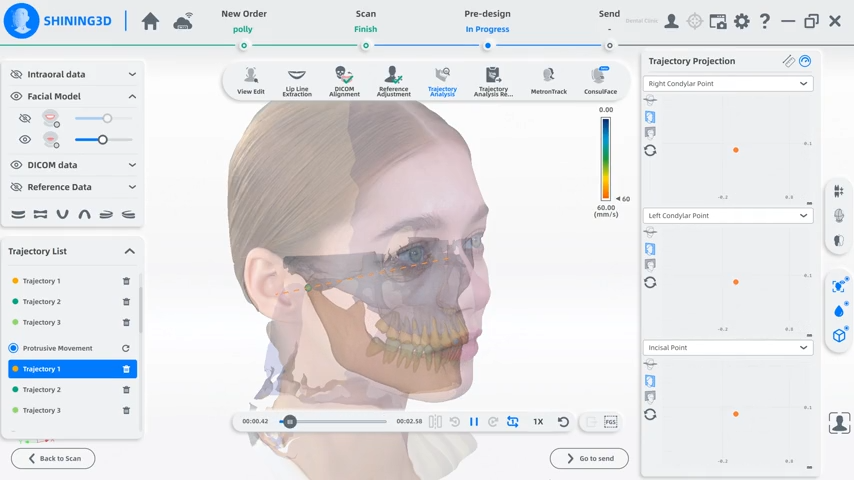
Digital dentistry is changing how dental professionals communicate treatment plans and visualize aesthetic outcomes. Among these innovations, teeth simulation systems have become valuable tools for orthodontic, cosmetic, and restorative dentistry. By showing potential treatment results before procedures begin, these systems help dentists explain options more effectively and improve patient understanding.
The cost of a teeth simulation system can vary depending on the technology, software capabilities, workflow integration, and clinical applications. Solutions that combine facial scanning and digital treatment visualization, such as a 3D face scanner integrated into dental workflows, provide additional value for practices seeking more comprehensive patient communication and planning tools.
What Is a Teeth Simulation System in Dentistry?
A teeth simulation system is a digital technology that allows dentists to visualize possible changes to a patient’s smile before treatment. It typically combines patient images, dental scans, facial information, and digital design tools to create a preview of potential outcomes.
Unlike traditional discussions that rely mainly on photographs or verbal explanations, digital simulation provides a more interactive way for patients to understand proposed treatments. This is particularly useful for orthodontics, veneers, crowns, implants, and other aesthetic procedures.
A modern system may include facial scanning technology to analyze how teeth relate to the patient’s overall appearance. By incorporating facial information, dentists can evaluate not only tooth alignment but also smile harmony and facial aesthetics.
What Factors Influence the Cost of a Teeth Simulation System?
The price of a teeth simulation system depends on several factors. Dental practices should evaluate the technology based on workflow value rather than only initial investment.
- Scanning Technology and Hardware
One major factor affecting cost is the type of scanning equipment included in the system. Basic solutions may rely on standard photographs, while advanced systems use three-dimensional facial scanning technology.
A 3D face scanner can capture facial geometry and appearance data, providing a more complete reference for digital treatment planning. Systems with advanced scanning capabilities may require higher investment because they provide more detailed information and broader applications.
- Software Functions and Digital Workflow Integration
Software capabilities also influence pricing. A professional teeth simulation system may include tools for smile design, treatment visualization, facial analysis, and digital communication.
Integration with existing dental workflows is another important consideration. Systems that connect with intraoral scanners, CAD software, and digital dentistry platforms can provide greater long-term value by improving workflow efficiency.
- Clinical Application Range
The intended use of the system also affects its cost. A solution designed only for basic smile visualization may have different capabilities compared with a system used for comprehensive aesthetic planning.
Dental practices should consider whether the system supports multiple applications, including orthodontic consultation, prosthetic planning, and cosmetic dentistry.
How Does a 3D Face Scanner Improve Teeth Simulation?
Facial information plays an important role in aesthetic treatment planning. Teeth are not isolated structures; their appearance is closely connected with facial proportions, lips, and smile expression.
A 3D face scanner helps capture facial data that can be combined with dental information. This allows dentists to evaluate potential treatment outcomes within the context of the patient’s overall appearance.
For example, when planning orthodontic or cosmetic procedures, facial scanning can provide additional references for evaluating smile balance and tooth positioning. This helps create more personalized treatment discussions.
Understanding the Value of a Straight Teeth Simulator
A straight teeth simulator is a digital tool that allows patients and dentists to visualize possible improvements in tooth alignment. It is especially useful for orthodontic consultations, where patients often want to understand how their smile may change after treatment.
The value of a straight teeth simulator is not limited to visualization. It can also improve communication by helping patients understand the relationship between current dental conditions and possible treatment outcomes.
For dental practices, better communication can support more informed decision-making and improve patient confidence during consultations.
How MetiSmile Supports Digital Smile Visualization?
SHINING 3D DENTAL‘s MetiSmile Face Scanner provides dental professionals with facial scanning capabilities that support digital dentistry workflows. By capturing three-dimensional facial information, MetiSmile helps clinicians incorporate facial data into treatment planning and patient communication.
When combined with digital dental records, MetiSmile allows professionals to evaluate treatment possibilities from a more comprehensive perspective. This is particularly valuable for aesthetic procedures where facial harmony is an important consideration.
Instead of focusing only on dental structures, dentists can use facial information to better understand how proposed changes may influence the patient’s appearance.
Is Investing in a Teeth Simulation System Worth It?
For many dental practices, the value of a teeth simulation system comes from improved communication and workflow efficiency. Patients often make treatment decisions based on their understanding of expected results, especially in aesthetic dentistry.
A digital simulation solution helps bridge the gap between professional treatment planning and patient expectations. By providing a visual preview, dentists can explain procedures more clearly and create a stronger consultation experience.
Practices should consider factors such as patient volume, treatment types, and existing digital equipment when evaluating whether to invest in this technology.
How to Choose the Right Teeth Simulation Solution?
Before selecting a system, dental professionals should consider several key questions:
- Does the system provide accurate and realistic visualization?
- Can it integrate with existing digital dentistry workflows?
- Does it support facial data capture and analysis?
- Is it suitable for the treatments offered by the practice?
- Can it improve communication with patients?
A solution that fits naturally into daily workflows can provide greater benefits over time compared with a system chosen only based on initial price.
The Future of Digital Teeth Simulation in Dentistry
As digital dentistry continues to advance, teeth simulation systems will become increasingly connected with other technologies. Facial scanning, intraoral scanning, and CAD design are moving toward more integrated workflows that provide comprehensive patient information.
Technologies such as a 3D face scanner will continue to support more personalized treatment planning by adding facial context to dental data. Meanwhile, tools like a straight teeth simulator will remain valuable for helping patients understand potential orthodontic and aesthetic outcomes.
With solutions like SHINING 3D DENTAL’s MetiSmile, dental professionals can explore more advanced approaches to digital communication and treatment visualization.
Conclusion
The cost of a teeth simulation system depends on its scanning technology, software capabilities, integration options, and intended applications. While investment levels vary, advanced digital solutions can provide significant value by improving treatment planning and patient communication.
SHINING 3D DENTAL’s MetiSmile Face Scanner supports modern dental workflows by helping professionals capture facial data and create more comprehensive digital treatment experiences. As patient expectations continue to increase, teeth simulation technology will become an increasingly important tool for aesthetic and restorative dentistry.
