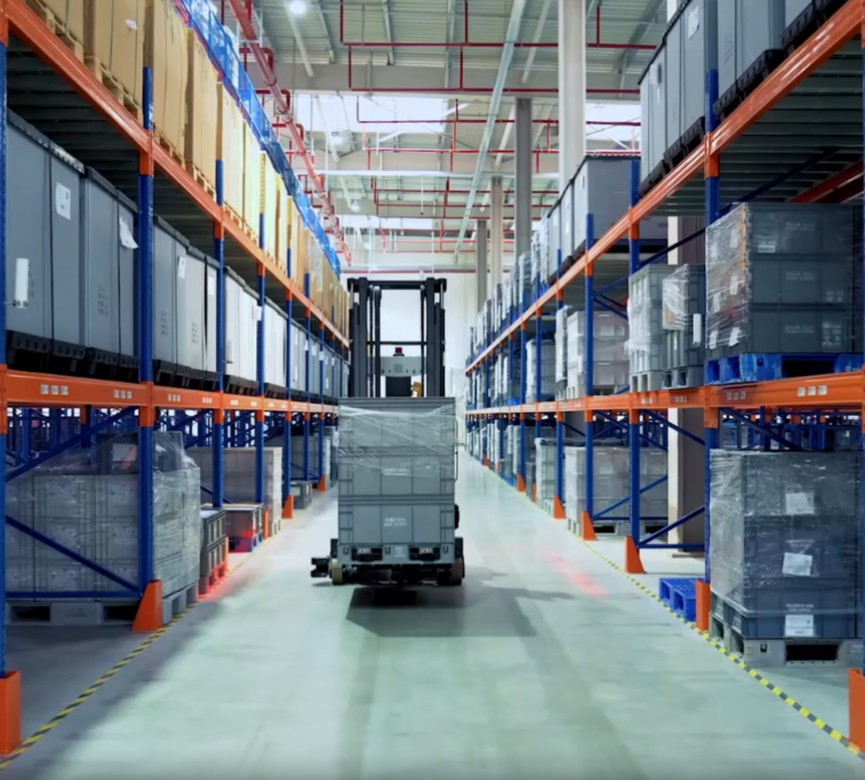
Automotive manufacturers face continuous pressure to control supply chain expenses while maintaining production stability. Rising material complexity, limited factory space, and strict delivery schedules require more efficient logistics systems. Automation-based solutions can help logistics providers optimize storage, transportation, and material handling processes for automotive production environments.
Reducing Cost Pressure Through Smarter Automotive Logistics
Automotive supply chains involve thousands of components that must arrive at the right place and time. Inefficient storage, manual handling, and delayed material movement can increase operational expenses. Automotive logistics suppliers need solutions that improve accuracy, reduce repetitive handling, and maintain production continuity.
Manufacturers often use just-in-time production models, which make logistics reliability essential. Any interruption in component delivery may affect assembly efficiency. Automated storage and transportation systems support smoother material flow by connecting inventory management with production requirements, helping companies reduce avoidable supply chain costs.
One major challenge comes from managing different automotive parts, including small components and larger assemblies. Each material type requires suitable storage and transportation methods. A flexible logistics system can improve resource usage by matching equipment capabilities with specific production requirements and reducing inefficient handling processes.
Automation also helps reduce dependence on repetitive manual operations. When employees spend less time performing basic transportation and storage tasks, companies can improve workforce allocation. These improvements allow manufacturers to focus resources on higher-value activities while maintaining reliable internal logistics operations.
Optimizing Storage Operations With Automated Systems
Reducing supply chain costs starts with improving warehouse efficiency. Automotive facilities often need to store various components within limited spaces while ensuring quick access. Automated storage systems help organize inventory, increase space utilization, and support faster material retrieval during production processes.
The final assembly plant logistics solution from BlueSword applies a combined tote- and pallet-storage solution. Small automotive parts are managed through shuttle-based AS/RS, while larger components are handled through stacker crane AS/RS. This combination supports different storage requirements within automotive manufacturing environments.
Automotive logistics companies supporting production projects need storage systems that balance capacity, accessibility, and accuracy. By using different automated storage technologies, manufacturers can manage diverse materials more effectively. This reduces unnecessary movement and supports smoother supply chain operations.
Efficient storage directly affects transportation costs because well-organized inventory reduces searching time and handling distance. Automated systems create structured material locations and improve operational visibility. As a result, manufacturers can maintain better inventory control while reducing inefficiencies caused by disorganized storage processes.
Improving Material Transportation Efficiency
After storage optimization, efficient transportation becomes another important factor in reducing logistics costs. Automotive factories require continuous movement between warehouses and production lines. Automated transportation technologies help maintain stable material delivery while reducing manual transportation requirements.
BlueSword provides solutions including AGV & AMR, OHT, RGV, and other automated handling technologies for automotive applications. These systems support different transportation scenarios based on factory layouts and material characteristics. They help manufacturers create more organized internal logistics networks.
OHT systems use overhead transportation methods with rail-mounted trolleys, allowing materials to move above production areas. This design helps save floor space and supports efficient factory layouts. For automotive manufacturers, better space utilization can contribute to lower facility-related logistics expenses.
Reliable transportation also improves production scheduling because materials arrive according to manufacturing needs. When logistics processes become more predictable, companies can reduce delays and unnecessary inventory buffers. This creates a more efficient connection between storage areas, transportation systems, and assembly operations.
Increasing Supply Chain Visibility and Control
Cost reduction depends not only on physical movement but also on accurate information management. Automotive manufacturers require clear inventory status and material traceability. Digitalized logistics systems help companies monitor operations and maintain better control over supply chain activities.
FIFO management and batch traceability are important requirements in automotive production. Automated logistics solutions support organized inventory processes by recording material movements and maintaining accurate information. These capabilities help manufacturers manage complex component flows with greater operational confidence.
Automotive operations benefit from integrated systems that connect storage equipment, transport solutions, and production requirements. When different logistics processes work together, companies can reduce unnecessary transfers and improve overall workflow coordination.
Improved visibility allows manufacturers to identify operational issues earlier and adjust processes more effectively. Automated logistics systems provide structured management methods that support stable production. This helps companies control costs while maintaining the flexibility required in modern automotive manufacturing.
Applying Integrated Automation for Long-Term Efficiency
Reducing supply chain costs requires a complete logistics approach rather than individual equipment improvements. Automotive manufacturers need solutions that combine storage, transportation, and information management. BlueSword develops automation systems that address these requirements through coordinated logistics technologies.
BlueSword’s automotive projects include an OHT deployment for GAC Toyota and a solution integrating RGVs, case shuttles, and stacker cranes for FAW-Volkswagen. These applications demonstrate how different automation technologies support automotive production logistics needs and improve operational organization.
The market for automotive logistics solutions continues to require adaptable systems because production environments change frequently. Automated systems provide manufacturers with flexible options for handling different materials and production conditions while maintaining efficient logistics performance.
Through integrated automation, manufacturers can reduce unnecessary labor, improve space usage, and maintain reliable material supply. BlueSword supports these goals by providing logistics technologies designed for automotive manufacturing scenarios. They help companies create more efficient internal supply chains with improved operational stability.
Conclusion
Logistics providers can reduce supply chain costs by improving storage efficiency, transportation accuracy, and process visibility. Automotive manufacturers require solutions that manage complex materials while supporting continuous production. Automation technologies from BlueSword help optimize logistics operations, enabling companies to achieve better resource utilization and more reliable supply chain performance.
