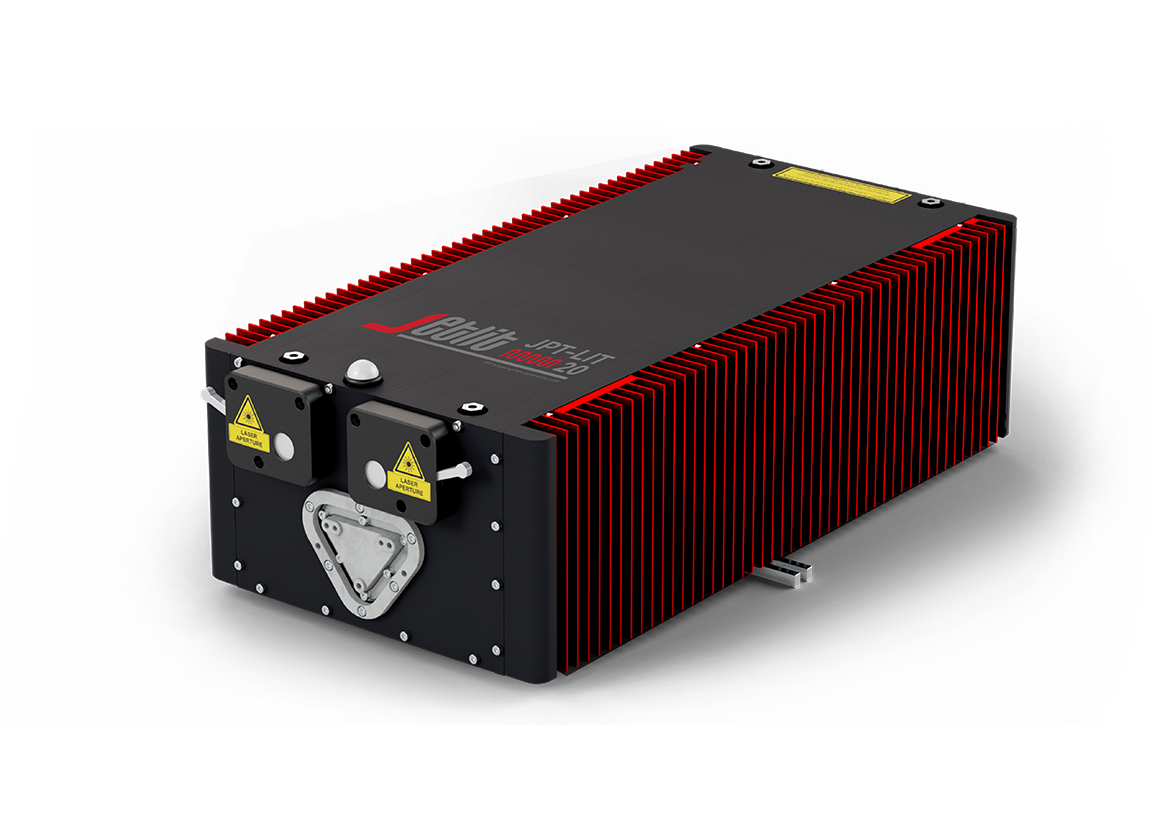
The integration of ultrafast lasers into micromachining processes has revolutionized how materials are processed. One of the primary concerns in traditional machining techniques is the formation of heat-affected zones (HAZ), which can compromise the integrity of the material. Ultrafast pulsed lasers, such as those developed by JPT, exhibit characteristics that make them a superior choice for precision applications where minimizing thermal impact is crucial.
Precision in Material Processing
Ultrafast lasers operate through the emission of ultra-short light pulses, often in the femtosecond range, resulting in high peak power that can cut or engrave materials without producing significant heat. The controlled energy delivery leads to exceptional precision, allowing operators to drill micro-holes or create intricate patterns with minimal thermal diffusion. This precision is essential in industries such as electronics, where component damage from excessive heat can lead to malfunctions.
Minimizing Thermal Damage
One of the key advantages of ultrafast lasers is their ability to drastically reduce thermal damage. Unlike traditional laser systems, which may generate heat that alters the surrounding material properties, the femtosecond laser action effectively “ablates” the material with little energy imparted to the adjacent areas. This minimizes the formation of heat-affected zones, preserving the mechanical properties and structural integrity of the machined parts, a significant benefit for sectors requiring high-quality finishes.
Applications Across Industries
The remarkable capabilities of ultrafast lasers extend to various industrial applications. In fields such as aerospace, automotive, and medical device manufacturing, the precision offered by these lasers allows for intricate micromachining tasks. Furthermore, the reliability and efficiency of lasers like the JPT-LIT 20 ensures that they can maintain high performance in rigorous industrial environments, making them a preferred choice for machine manufacturers integrating laser sources into their equipment.
Conclusion
In summary, the utilization of ultrafast pulsed lasers is transforming the landscape of micromachining by reducing heat-affected zones and enhancing the quality of processed materials. Advanced solutions like those provided by JPT demonstrate how effective these technologies can be in meeting the demands of modern manufacturing. As industries continue to evolve, the integration of ultrafast lasers will undoubtedly play a pivotal role in driving innovation and improving production standards.
